
If you’re planning to buy a home in the UAE using Islamic finance, one question comes up very quickly:
What credit score do I need to get approved?
It’s a valid concern. Many people worry that a low score will automatically lead to rejection, while others assume income alone is enough.
The reality is more nuanced.
Your credit score matters, but it’s only one part of the bigger picture.
This guide explains what lenders actually look for, what score you should aim for, and how to improve your chances of approval.
First: What Is a Credit Score in the UAE?
In the UAE, your credit score is managed by the
Al Etihad Credit Bureau
This score is based on your financial behavior, including:
- Loan repayments
- Credit card usage
- Outstanding debts
- Payment history
Score Range
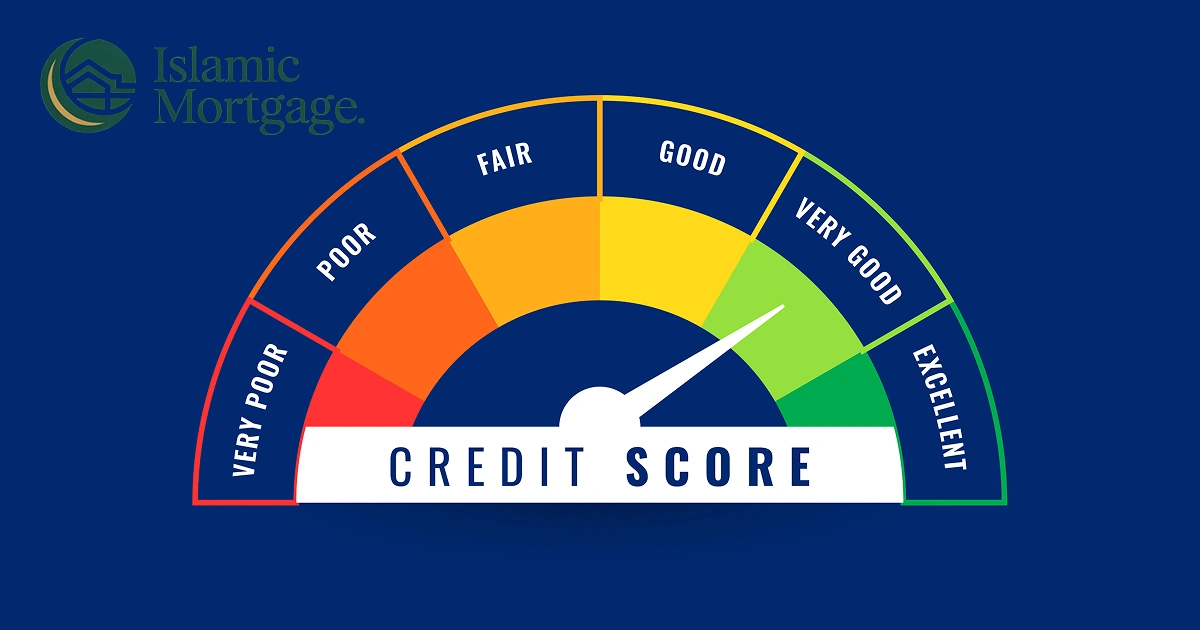
Credit scores in the UAE typically range from the following:
- 300 (low) to 900 (excellent)
What Credit Score Do You Actually Need?
There is no single fixed number required by all banks.
However, based on market practice:
General Guideline
- 650+ → Minimum acceptable range
- 700+ → Good chance of approval
- 750+ → Strong profile, better offers
Important Insight
You can still get approved below 700—but conditions may be stricter.
Why Credit Score Matters in Islamic Finance
Even though Islamic home finance avoids interest-based structures, banks still assess risk.
Your Credit Score Helps Banks Understand:
- How reliable are you with payments
- Your financial discipline
- Your risk level as a borrower
Key Point
Islamic finance changes the structure—not the risk evaluation.
What Happens If Your Score Is Low?
A low score does not always mean rejection, but it can affect your application.
Possible Outcomes
- Lower financing amount
- Higher profit rate
- Additional conditions
- Request for more documents
- In some cases, rejection
What Banks Look at Beyond Credit Score
Many people focus only on the score, but banks evaluate multiple factors.
1. Income Stability
- Salary consistency
- Employment history
- Business income (for self-employed)
2. Debt-to-Income Ratio
How much of your income is already committed to:
- Loans
- Credit cards
- Other liabilities
3. Employment Type
- Salaried employees
- Self-employed individuals
4. Savings and Financial Behavior
- Bank statements
- Spending patterns
- Savings discipline
Key Insight
A slightly lower credit score can still be approved if the rest of your profile is strong.
Common Reasons for Low Credit Scores
Understanding what affects your score is the first step to improving it.
1. Late Payments
Even small delays in:
- Credit card payments
- Loan EMIs
can reduce your score.
2. High Credit Utilization
Using a large percentage of your credit limit regularly.
3. Too Many Loans
Multiple active loans increase your risk profile.
4. Bounced Cheques
This has a significant negative impact.
5. Frequent Credit Applications
Applying for too many loans or cards in a short time.
How to Improve Your Credit Score Before Applying
If you’re planning to apply for Islamic home finance, preparation can make a big difference.
1. Pay All Dues on Time
This is the most important factor.
Even one missed payment can affect your score.
2. Reduce Credit Card Usage
Try to keep usage below 30–40% of your limit.
3. Clear Small Debts
Closing smaller loans improves your overall profile.
4. Avoid New Credit Applications
Too many applications signal risk.
5. Maintain a Clean Bank Record
Your transaction history also matters.
How Long Does It Take to Improve Your Score?
Improvement is not instant.
Typical Timeline
- Minor improvements: 1–3 months
- Significant improvement: 3–6 months
Consistency is more important than speed.
Can You Get Approved Without a Credit Score?
This is common for:
- New residents
- First-time borrowers
Possible Outcome
- Banks may rely on income and bank statements
- Approval may still be possible
However:
- Fewer options
- More scrutiny
Special Case: Self-Employed Applicants
If you are self-employed:
- Credit score matters even more
- Banks rely heavily on financial history
You Will Likely Need
- Strong bank statements
- Business proof
- Stable income record
A Real-Life Scenario
Applicant A
- Credit score: 760
- Stable job
- Low debt
Result:
- Quick approval
- Better rates
Applicant B
- Credit score: 640
- High credit card usage
Result:
- Delays
- Lower approval amount
Key Takeaway
Score influences both approval and terms.
Does a Higher Score Save You Money?
Yes.
With a higher score, you may get:
- Better profit rates
- Higher financing eligibility
- Faster approvals
Even a small difference in rate can save significant money over time.
When Should You Check Your Credit Score?
Before applying.
Ideally
Check your score at least:
- 2–3 months before applying
This gives you time to fix any issues.
A Smarter Way to Think About Credit Score
Instead of asking:
“What is the minimum score required?”
Ask:
“How strong is my overall financial profile?”
Because approval depends on the complete picture.
Final Thoughts
Your credit score plays an important role in getting Islamic home finance in the UAE—but it is not the only factor.
A good score improves your chances, but strong financial behavior matters just as much.
The Bottom Line
- Aim for 700+ for smoother approval
- 650 may still work with a strong profile
- Improve your score before applying
- Focus on overall financial health, not just numbers
FAQs
What is the minimum credit score for an Islamic mortgage in the UAE?
Typically around 650, but higher scores improve approval chances.
Can I get approved with a low credit score?
Yes, but conditions may be stricter, and approval is not guaranteed.
Does Islamic finance ignore credit score?
No, banks still assess creditworthiness even in Islamic financing.
How can I check my credit score in the UAE?
Through the Al Etihad Credit Bureau.
How long before applying should I improve my score?
At least 2–3 months in advance for better results.