
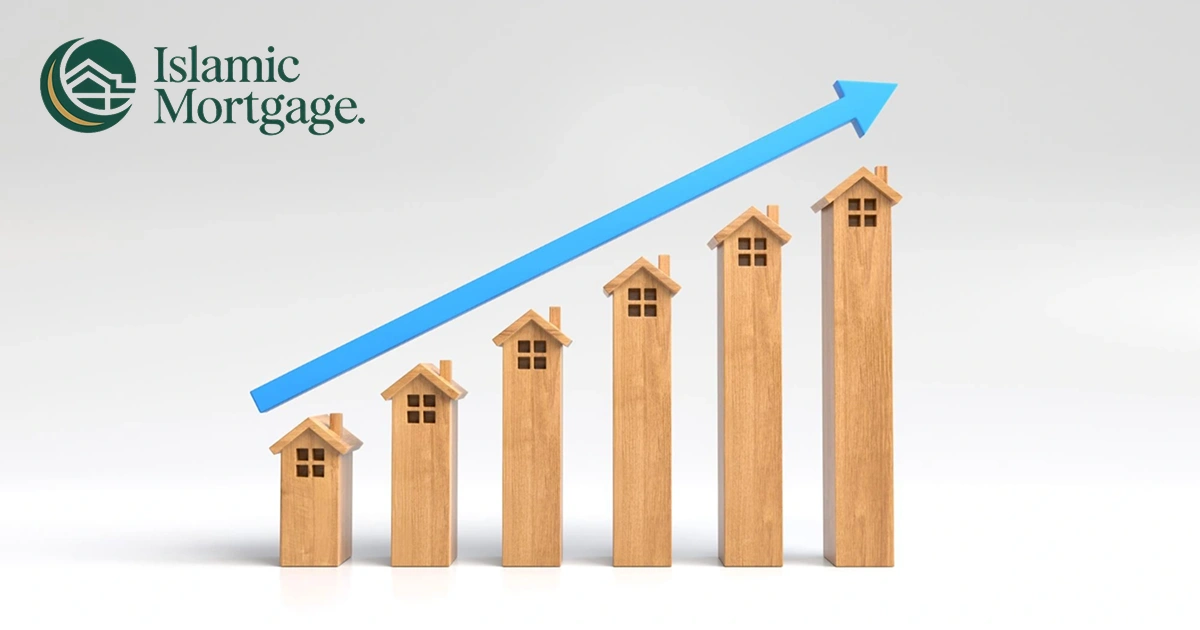
Dubai’s property market continues to attract investors and homeowners from around the world. One of the most important factors buyers consider before purchasing a property is Dubai mortgage rates. Mortgage rates determine how much you will pay over time when financing a property, making them a critical part of any real estate investment decision.
Understanding how mortgage rates work, current market trends, and the factors influencing these rates can help buyers make informed decisions when purchasing property in Dubai.
What Are Dubai Mortgage Rates and How Do They Work?
Mortgage rates are the interest or profit rates that banks charge borrowers when they take a home loan or property financing. In Dubai, these rates determine the cost of borrowing money to purchase residential or commercial real estate.
Banks offer different mortgage structures depending on the borrower’s profile and the type of loan selected. In many cases, mortgage financing can cover up to 80% of the property value for residents, while buyers must pay the remaining portion as a down payment.
Mortgage rates vary depending on several factors such as the loan tenure, property value, and financial profile of the borrower.
Current Dubai Mortgage Rates
Mortgage rates in Dubai are considered relatively competitive compared to many international markets. Based on recent market estimates, mortgage interest rates in Dubai generally range between 3.5% and 5.25% per year, depending on the bank and loan structure.
Some lenders offer fixed-rate mortgage packages starting around 3.99% for the first few years, after which variable rates may apply depending on market conditions.
These rates can change depending on economic conditions and financial policies within the UAE banking sector.
Key Factors Influencing Dubai Mortgage Rates
Mortgage rates do not remain fixed forever. Several factors influence how banks set interest or profit rates.
1. UAE Central Bank Policies
Mortgage rates are strongly influenced by the policies of the UAE Central Bank. When the base interest rate changes, borrowing costs for banks also change, which can affect mortgage rates offered to buyers.
2. EIBOR (Emirates Interbank Offered Rate)
Many variable mortgage rates are linked to the Emirates Interbank Offered Rate (EIBOR), which reflects the rate at which banks lend money to each other. Changes in EIBOR can increase or decrease mortgage payments over time.
3. Borrower Financial Profile
Banks evaluate the financial strength of borrowers before offering mortgage terms. Factors such as income stability, employment history, credit score, and existing debt obligations can influence the interest rate offered.
4. Loan Tenure
Mortgage tenure can range from 10 to 25 years in many UAE banks. Longer loan periods may result in higher overall interest payments.
5. Property Type
Some lenders may offer different rates depending on whether the property is residential, commercial, or off-plan.
Fixed vs Variable Mortgage Rates in Dubai: Key Differences
Homebuyers in Dubai usually choose between two main mortgage rate structures.
Fixed Rate Mortgage
A fixed-rate mortgage offers a stable interest rate for a specific period, often between 1 and 5 years. This option provides predictable monthly payments and helps buyers plan their finances more effectively.
Variable Rate Mortgage
Variable-rate mortgages change based on market conditions and EIBOR benchmarks. While they may start with lower rates, monthly payments can increase or decrease depending on economic trends.
Many buyers start with fixed-rate mortgages and later switch to variable rates once the initial period ends.
Dubai Mortgage Rate Trends in Recent Years
Mortgage rates in Dubai have changed over the past few years due to global economic conditions and interest rate policies.
Key trends include:
Stabilizing Interest Rates
Recent rate adjustments by the UAE Central Bank have helped stabilize borrowing costs for consumers and businesses.
Competitive Mortgage Products
Banks continue to compete by offering attractive financing packages, including fixed-rate options and flexible repayment terms.
Increased Demand for Property Financing
Dubai’s growing real estate market and strong international investment demand continue to support mortgage activity.
These factors contribute to a dynamic mortgage market where buyers can compare multiple options before selecting financing.
How Mortgage Rates Affect Property Buyers
Mortgage rates significantly influence the affordability of property purchases. Even small changes in the mortgage rates can affect the total repayment amount over the life of a loan.
For example:
- Lower mortgage rates reduce monthly payments.
- Higher rates increase long-term borrowing costs.
- Fixed rates offer stability during market volatility.
Because mortgage payments can last for decades, understanding rate trends helps buyers manage long-term financial planning.
Tips for Buyers Before Choosing a Mortgage in Dubai
Before applying for property financing in Dubai, buyers should carefully evaluate several important factors.
Compare Multiple Banks
Different lenders offer different mortgage packages, interest rates, and approval criteria.
Understand Total Borrowing Costs
In addition to interest rates, buyers should consider processing fees, insurance costs, and early settlement charges.
Maintain a Strong Financial Profile
Banks prefer borrowers with stable income, good credit history, and manageable debt levels.
Consider Future Rate Changes
If choosing a variable-rate mortgage, buyers should be prepared for possible rate increases in the future.
The Role of Islamic Mortgages in Dubai
Many buyers also consider Islamic mortgage options in Dubai that follow Shariah financial principles.
Instead of charging interest, Islamic mortgages use financing models such as:
- Murabaha (cost-plus financing)
- Ijara (lease-to-own agreements)
These structures allow buyers to purchase property through Shariah-compliant home finance, making them popular among investors seeking halal financing solutions.
Final Thoughts
Mortgage rates are one of the most important factors affecting property purchases in Dubai. Current Dubai mortgage rates generally range between about 3.5% and 5.25%, depending on the lender and financing structure. For buyers and investors, understanding rate trends, loan structures, and financial eligibility can help secure better financing terms. By comparing lenders, preparing strong financial documentation, and monitoring market conditions, property buyers can make more informed decisions when investing in Dubai’s growing real estate market.
Frequently Asked Questions
Mortgage rates in Dubai generally range between 3.5% and 5.5%, depending on the bank, loan structure, and borrower profile. Some banks offer fixed rates for the first few years before switching to variable rates linked to market benchmarks such as EIBOR.
Dubai mortgage rates are influenced by several factors, including UAE Central Bank policies, EIBOR rates, the borrower’s income and credit history, loan tenure, and the property value. Banks evaluate these factors before offering mortgage terms.
Yes, expatriates can obtain mortgages from UAE banks to purchase property in designated freehold areas. However, expats typically need a stable income, a good credit history, and a minimum down payment of around 20–25% of the property value.
Yes, many UAE banks offer Islamic mortgage Dubai options that follow Shariah financial principles. These financing structures avoid interest and instead use models such as Murabaha or Ijara to provide Shariah-compliant home finance.
Buyers can improve their chances of securing better mortgage rates by maintaining a strong credit history, reducing existing debts, providing stable income documentation, and comparing offers from multiple banks before choosing a financing option.

Written by
Fayas Ismail

Reviewed by
Fahadh Ismail